Four months of rain does not have to mean four months of no progress, if the programme is arranged around the weather rather than against it.
Every year the same conversation happens in June: should we stop until October. The answer is no, but the sequence has to change, because some activities are genuinely damaged by rain and others are unaffected.
Stop or protect
- Excavation in clay. An open trench in heavy rain collapses and the soil below softens. If excavation cannot wait, dewater and shore properly.
- Large concrete pours without cover. Rain falling on fresh concrete washes cement from the surface and leaves a weak, dusty layer.
- External plaster and paint. Applied to a wet substrate, both fail. Paint on damp plaster blisters within a season.
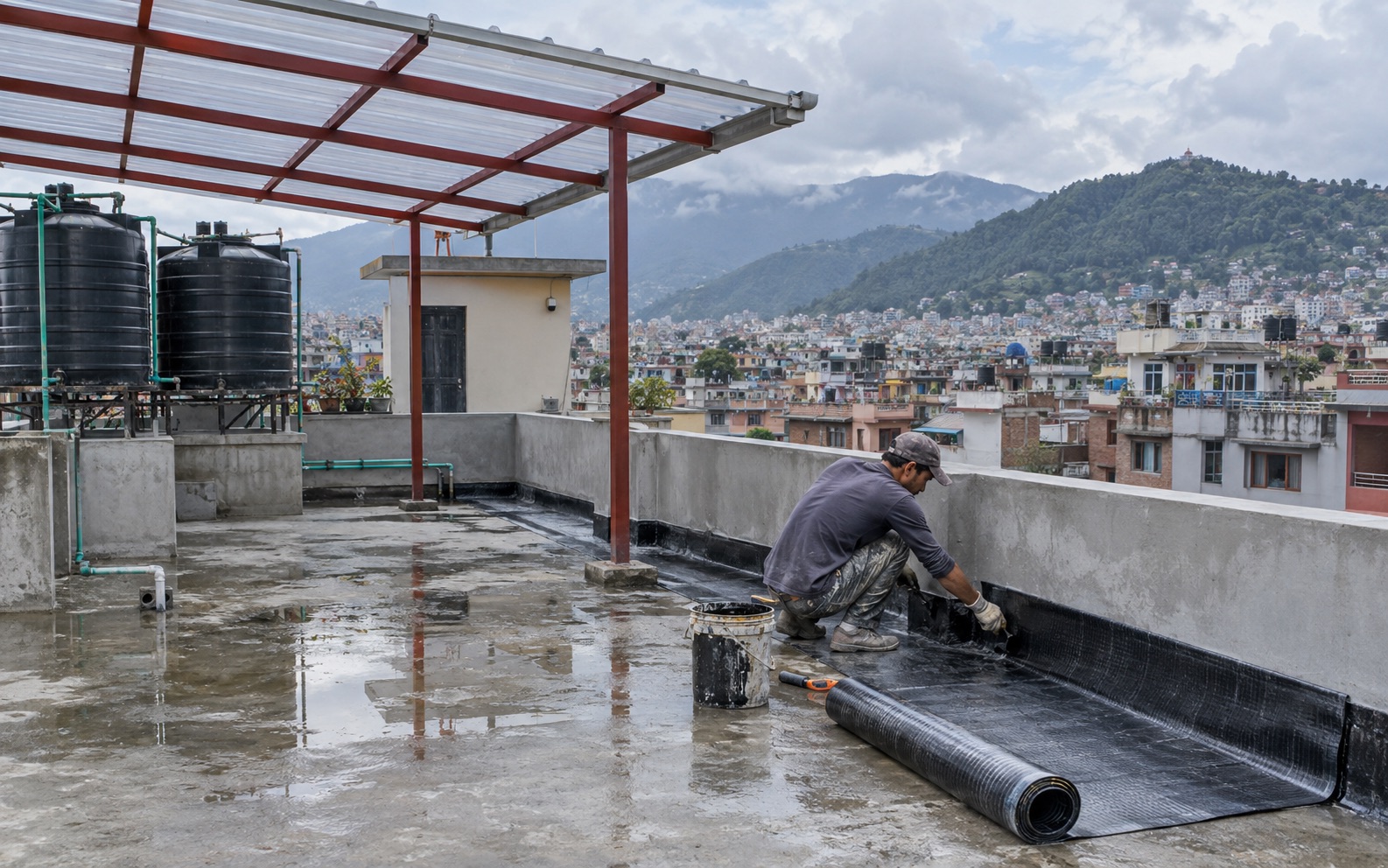
- Waterproofing membranes. Nearly all of them need a dry substrate. Applying one in the rain wastes both the material and the labour.
Continue
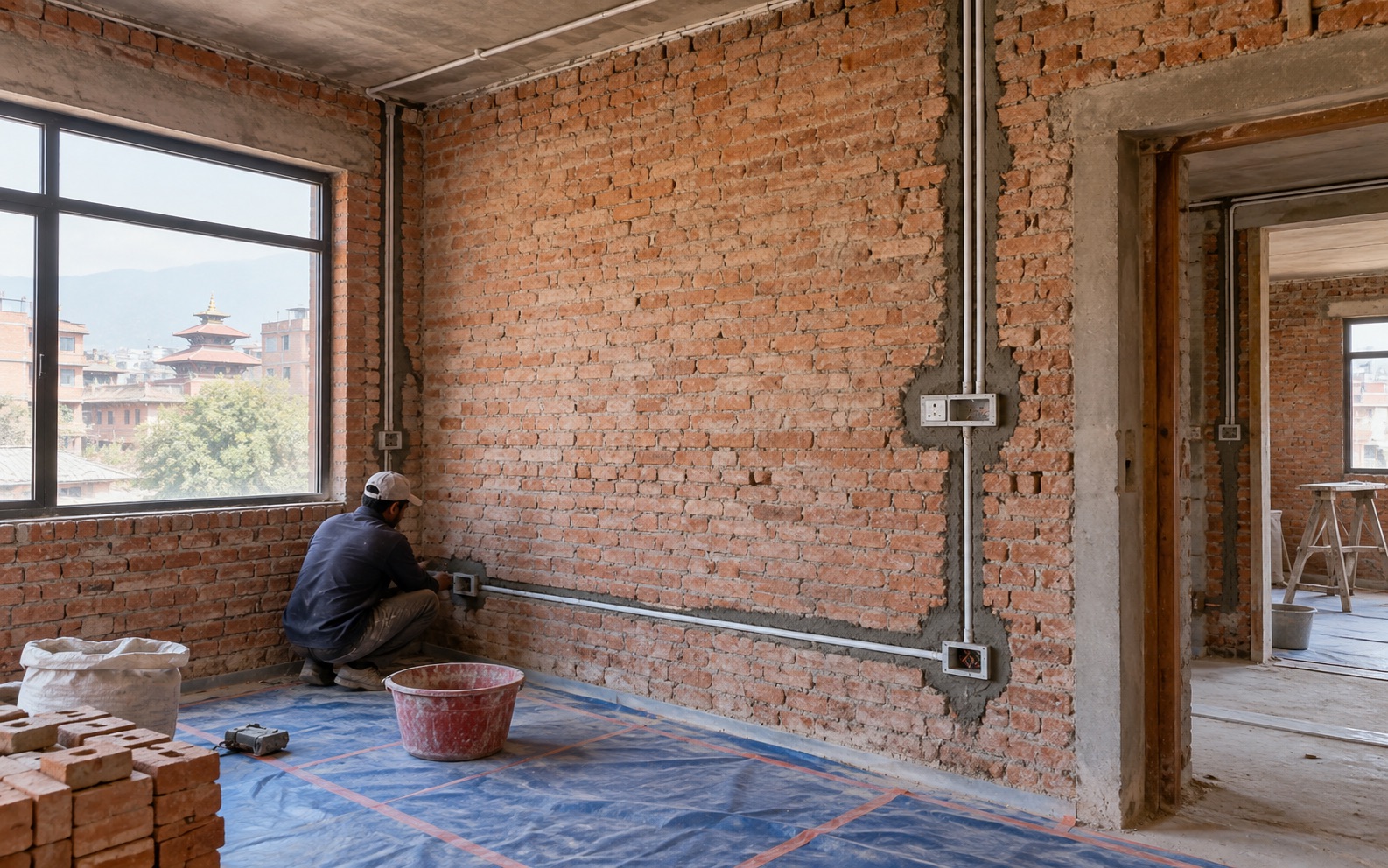
- Internal work once the roof slab is on: block work, internal plaster, conduiting, plumbing first fix.
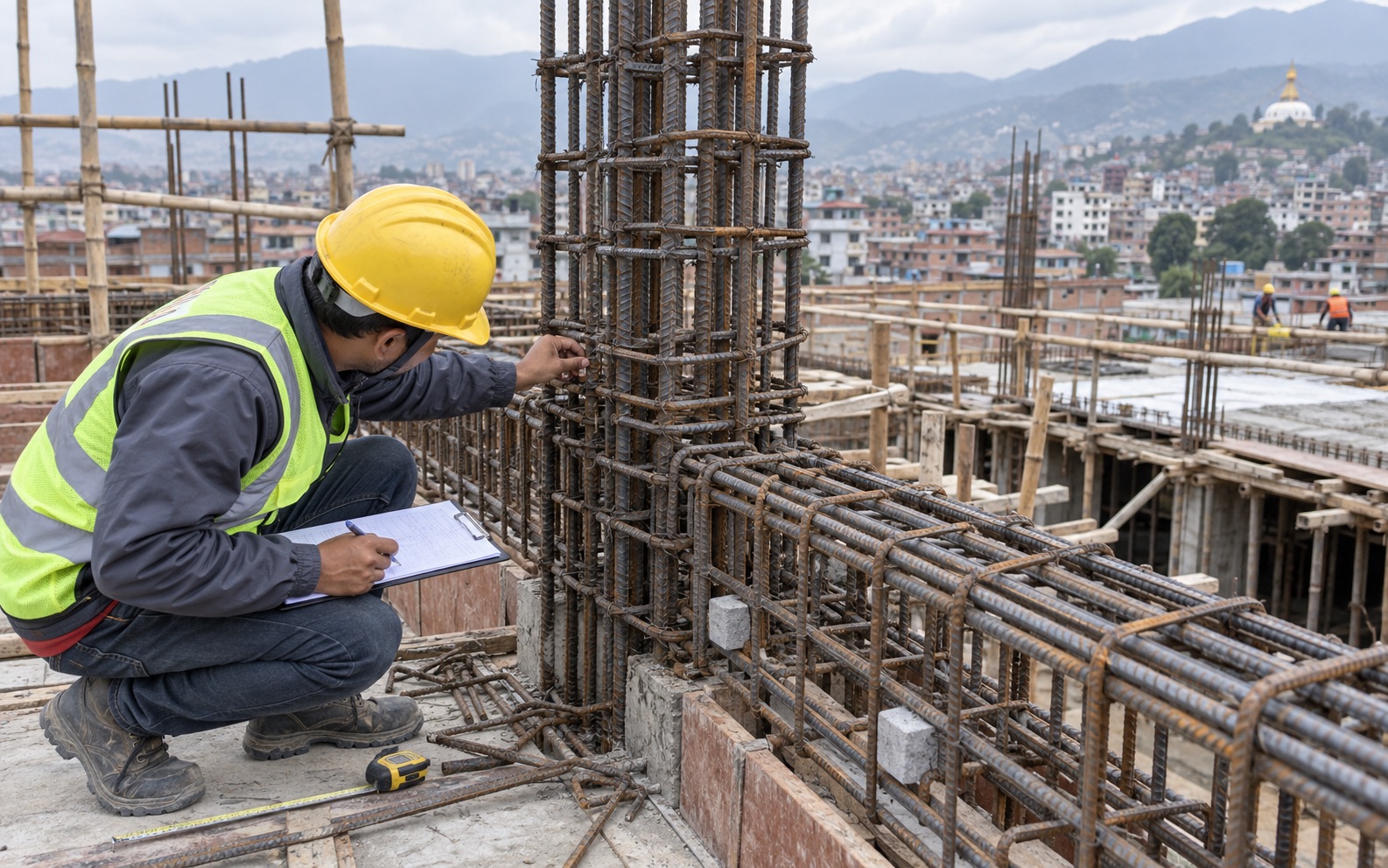
- Reinforcement fabrication and formwork under a shelter.
- Curing. The monsoon is the easiest season of the year to cure concrete properly.
- Joinery, workshop fabrication and interiors for anything already enclosed.
Site protection that pays for itself
Cement stored on pallets, not on the floor. Steel off the ground and covered. Drainage cut around the excavation and a soak pit that is actually connected. Tarpaulin ready before the pour, not fetched during it. None of this is expensive; all of it is skipped on sites that later blame the weather.
Programme it deliberately
The practical approach is simple: finish the structure and the roof before the monsoon if you can, and use the wet months for the work that happens under that roof. A project planned this way loses days, not months.