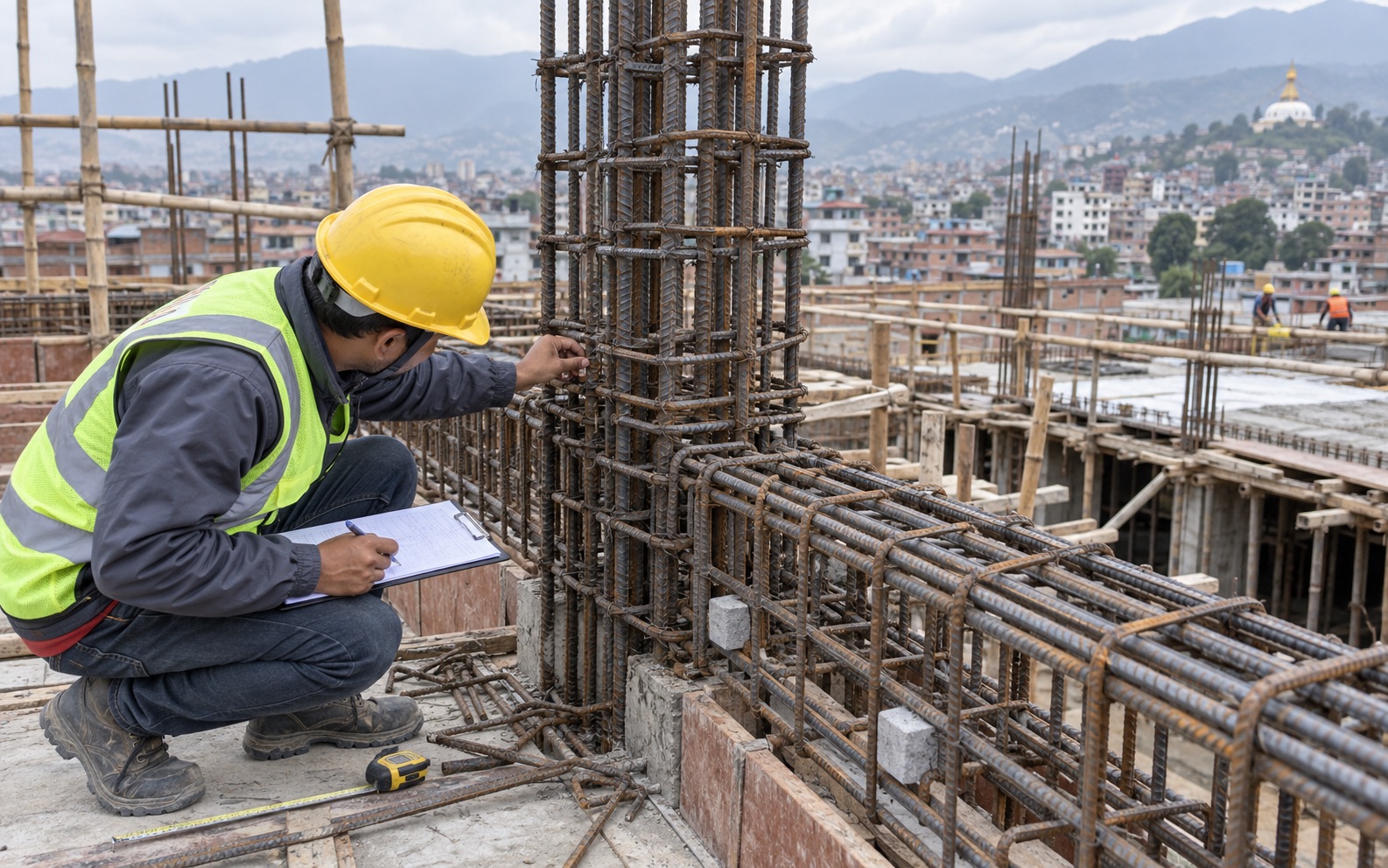
Renovation goes wrong in predictable ways. Here are the nine we are called in to fix most often, and what to do instead.
New construction has one enemy: the budget. Renovation has two, because everything behind an existing wall is a guess until it is opened. These are the nine failures we are called to repair most often.
1. Pricing before opening up
A renovation quotation given without an investigation visit is a work of fiction. Insist on an opening-up allowance and a written condition report before a price is fixed.
2. Removing a wall without checking what it carries
Not every internal wall is a partition. Removing a load bearing wall without a designed beam and a propping sequence has brought down floors in this city. Any wall removal needs a structural engineer, not a mason with an opinion.
3. New finishes over old plumbing
Tiling a bathroom over twenty year old galvanised pipe buys you two or three years before the first leak, and then the new tiles come off. Replace concealed services during a renovation, always.
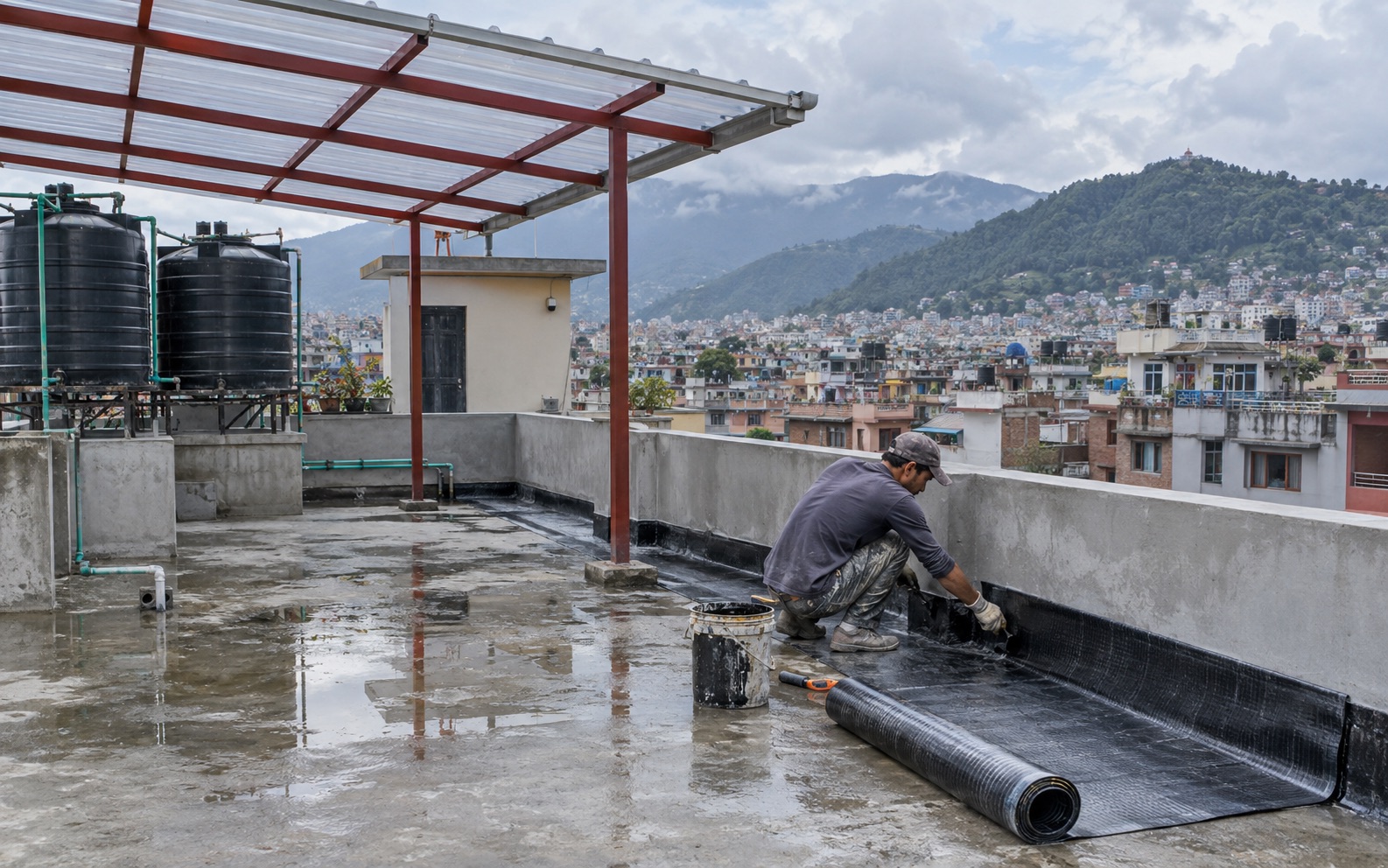
4. Ignoring the terrace above
Most damp on a top floor ceiling comes from the terrace, not the wall. Repainting the ceiling treats the stain and not the water.
5. Changing the bathroom position casually
Moving a toilet means moving a soil pipe, which means finding a fall to the existing stack. Without that fall you get a bathroom that smells and blocks, permanently.
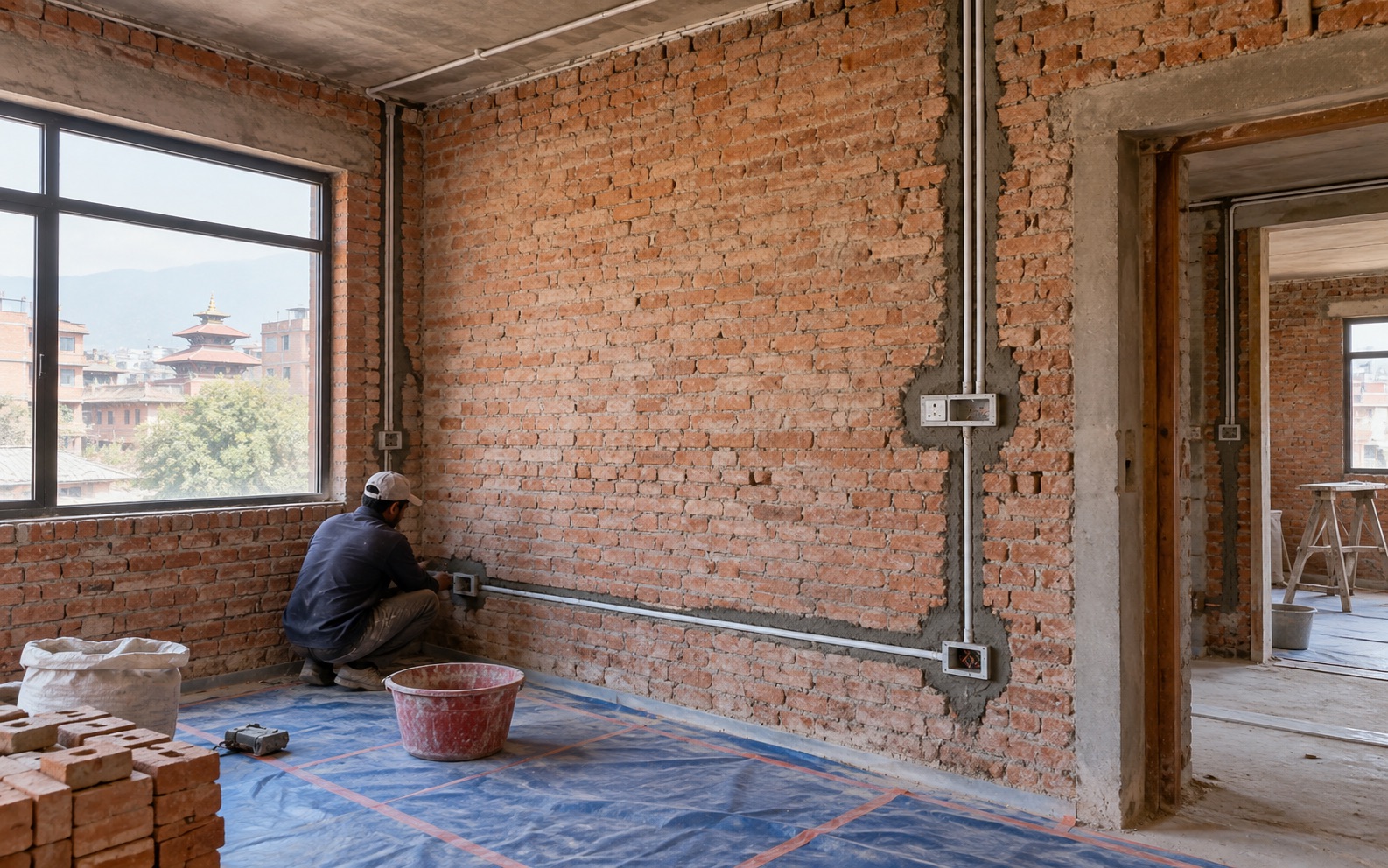
6. Underestimating electrical load
Old wiring was sized for two lights and a fan. Add air conditioning, an induction hob, a geyser and a washing machine to that circuit and the cable heats up inside the wall. A load calculation is a two hour job that prevents a fire.
7. Buying materials before the design is settled
Tiles bought in a sale before the layout is final usually end up in the wrong quantity, and the shade of a later batch will not match.
8. No dust control
In an occupied house, dust is the thing that makes people hate a renovation. Screening a work zone properly costs very little and changes the experience completely.
9. No written variation process
Verbal changes are where renovation budgets die. Every change should be priced and signed before it is built, however small it seems at the time.